
Residential • Rural • Remodel
Our Experience is Your Guarantee
Residential • Rural • Remodel
Our Experience is Your Guarantee
Why Your Sea-Level Water Heater Won’t Last at 7,500 Feet
January 13, 2026 0 Comments
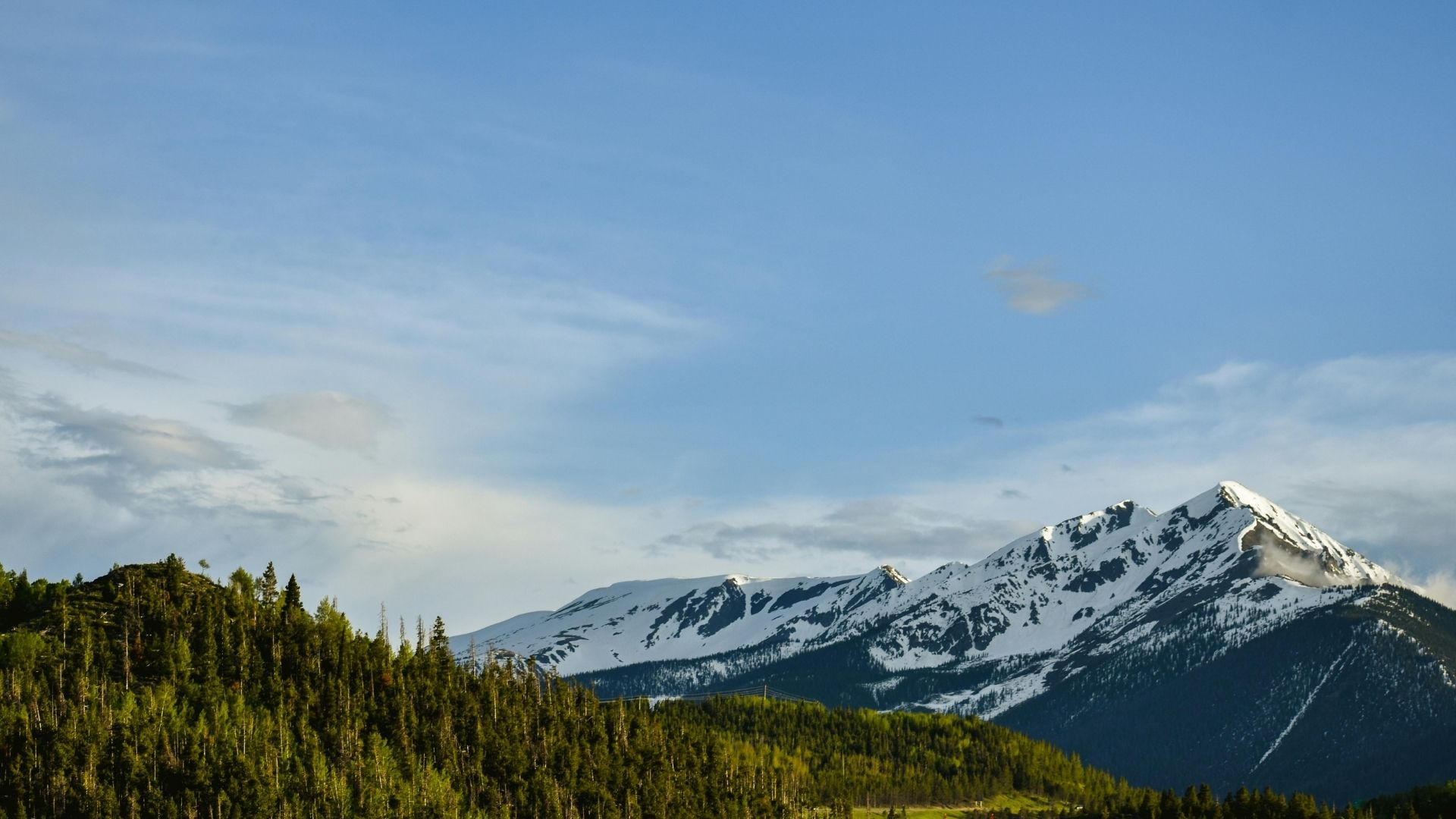
Living at 7,522 feet in Estes Park offers breathtaking views, but the altitude presents unique challenges for home appliances. Most standard gas water heaters are engineered for sea-level operation. When installed here without modification, the thinner air disrupts the combustion process, leading to performance issues, potential safety hazards, and a significantly shortened lifespan for your investment.
The Science of Thin Air and Combustion
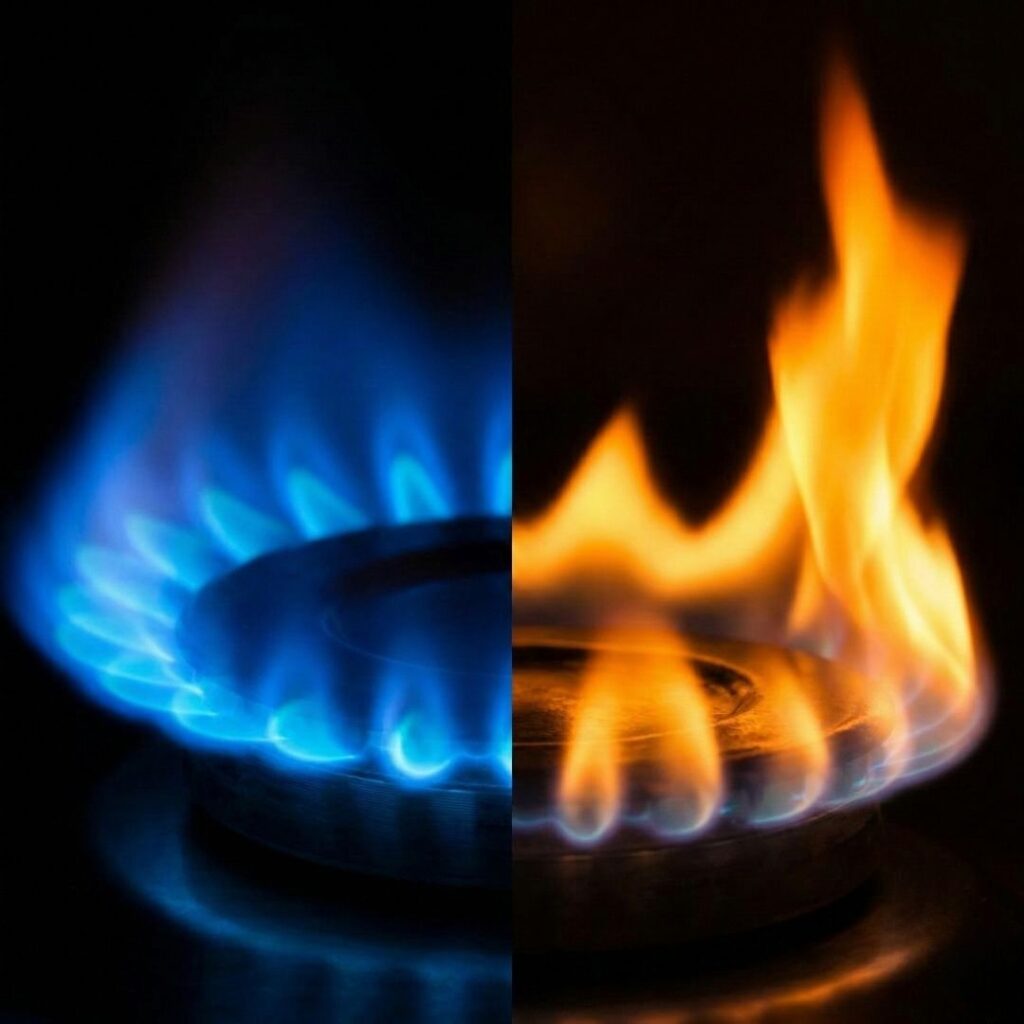
At 7,500 feet, oxygen levels are significantly lower than at sea level. Standard gas water heaters rely on a specific mix of air and fuel to burn cleanly. When the air is too thin, that balance is thrown off, leading to what experts call “incomplete combustion” inside your unit’s burner assembly.
The Dangers of Incomplete Combustion
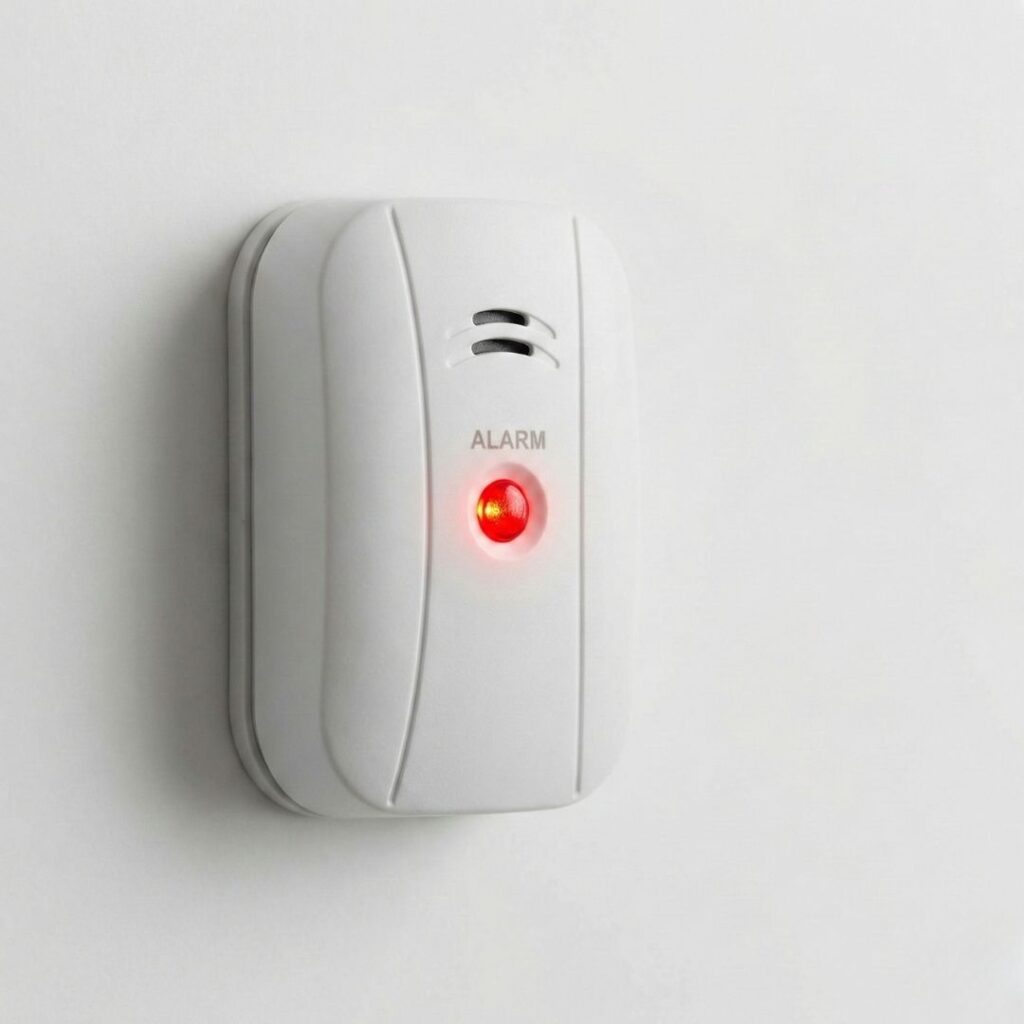
Incomplete combustion isn’t just an efficiency issue; it creates tangible safety hazards. Without proper oxygen, the flame produces excess soot that clogs the system and, more alarmingly, generates higher levels of carbon monoxide. This silent threat makes proper venting and calibration absolutely critical for the safety of your home and family.

Efficiency Loss and Higher Bills
Beyond safety, an improperly calibrated heater hits your wallet hard. Because the unit struggles to burn gas effectively, it runs longer to heat the same amount of water. This inefficiency leads to skyrocketing utility bills and unnecessary wear on the tank, often resulting in premature failure and the need for early replacement.
The Solution: High Altitude Derating
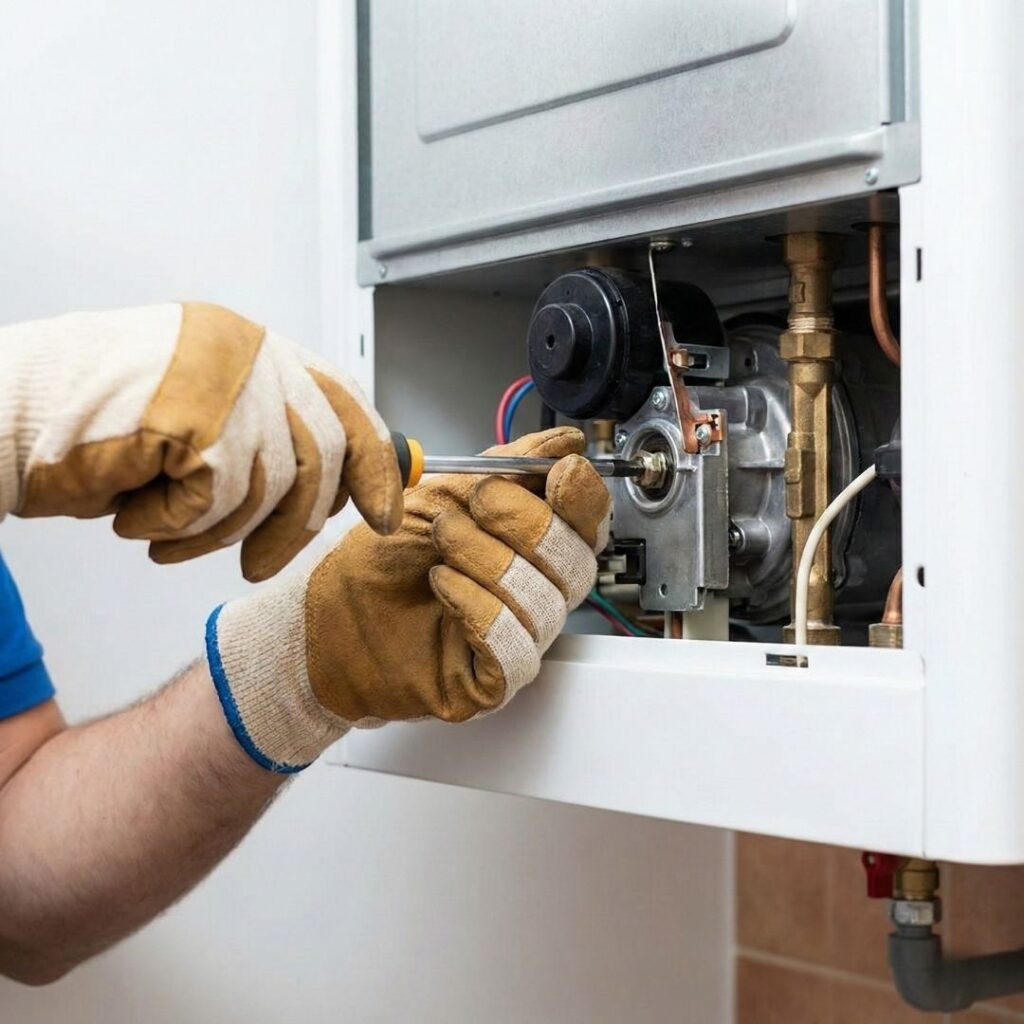
To fix this, manufacturers require “derating” for high-altitude installations. This technical process involves swapping out gas orifices and adjusting manifold pressure to match the thinner atmosphere. It ensures the flame burns clean and hot, restoring the unit’s lifespan and performance standards to exactly what they should be for our unique mountain environment.
Understanding the specific demands of our elevation is essential for maintaining a safe and efficient home. We specialize in identifying high altitude water heater problems and ensuring every unit is properly derated for peak performance. If you are unsure if your current system is calibrated for our altitude, contact Ace Hi Plumbing today. We can perform a safety inspection or discuss options for a new, altitude-ready installation.